A first-48-hours utility setup guide for a new home in Portugal
Moving day is not the moment to compare twenty energy tariffs. First identify what is already connected, who supplies what, and which contracts actually need to move into your name. For where utilities belong in the broader move-in sequence, use the first 30 days in Portugal checklist.
The most useful utility question on key day is not “Which electricity company is best?”
It is: what is already connected to this property, and what will stop working if nobody changes the contract?
Portugal’s home services do not all work the same way. Electricity and natural gas are liberalised markets. Water is local and can change by municipality. Waste charges are often tied into the local water/residual-services system.
Before shopping for a supplier, map the house.
set up electricity water gas Portugal: Before the previous tenant leaves
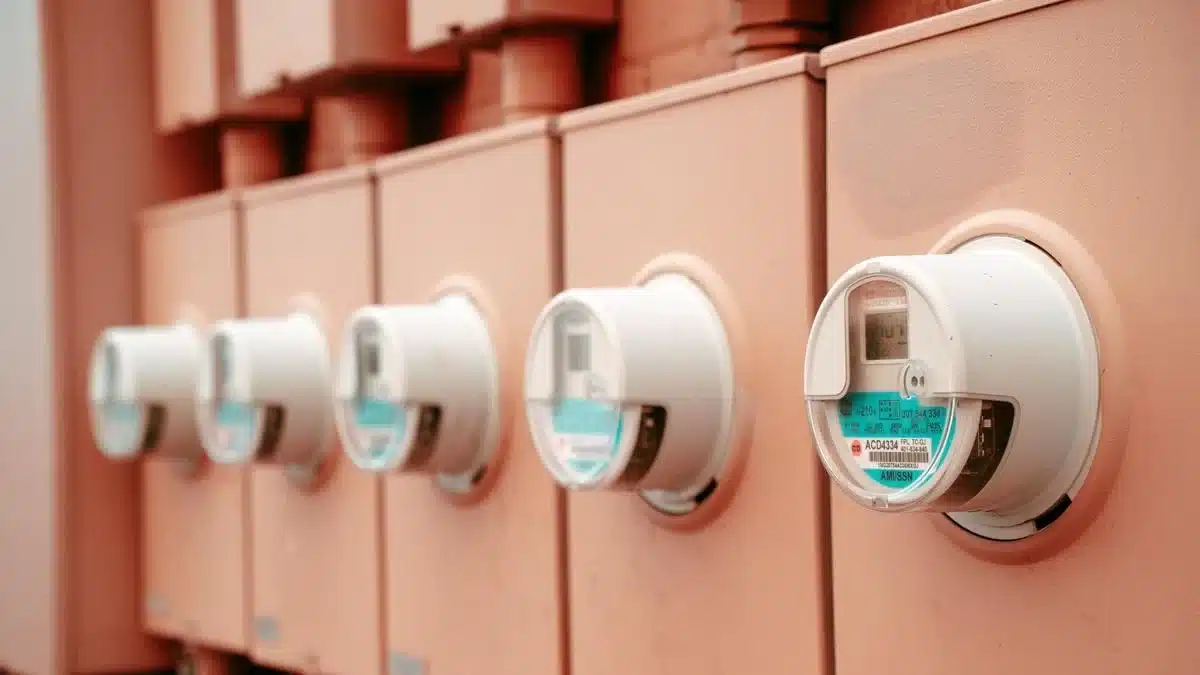
Photograph the electricity, gas and water meter readings with date/time.
Ask for the latest electricity/gas bill if the previous occupant is willing to share it — it can reveal CPE/CUI and the current contractual setup.
Identify the local water operator for the municipality.
Confirm whether the property actually has natural gas or uses electricity/bottled gas.
Check whether internet/fibre equipment belongs to the operator and must be returned.
A meter photo is useful because the first bill after a change of holder or supplier can otherwise depend on estimates.
Electricity: you do not inherit the old supplier
Portugal’s electricity market is liberalised. The current gov.pt electricity guide says that when you move into a property that already had electricity, you are not required to contract with the previous occupant’s supplier.
ERSE’s consumer guidance says switching supplier is free, there is no maximum number of switches, and the new supplier manages the change. Supply should not be cut during the switch and the process should be completed within three weeks.
Before signing, compare more than the €/kWh headline. ERSE requires a pre-contractual summary and recommends comparing price, billing frequency, payment terms, additional services, loyalty period and termination conditions.
CPE: the code that identifies the electricity delivery point
For an existing home, the easiest place to find the CPE (Código de Ponto de Entrega) is usually a previous electricity bill. Some suppliers also ask for the previous contract details when changing supplier/holder.
Current gov.pt supplier-service pages show the practical pattern: ID/NIF, the existing bill or CPE, occupancy evidence such as the lease/deed where the applicant is not the previous contract holder, and IBAN if direct debit is chosen.
Keep Article 26’s NIF document handy. It often becomes one of the first Portuguese identifiers used across home contracts.
Natural gas: first confirm you have it
Portugal’s natural-gas market is also liberalised. The gov.pt gas guide confirms that a new occupant can choose a supplier rather than keeping the previous one.
For an existing supply point, the CUI (Código Universal da Instalação) plays a similar identifying role to the electricity CPE.
If the installation is new, disconnected for technical reasons, or lacks the necessary certification/inspection, the setup can involve the network operator or technical inspection rather than a simple commercial contract.
Water: the municipality decides the operator
Water is the service newcomers are most likely to misunderstand because there is no single national retail market like electricity.
The 2026 gov.pt home-services guide explains that water providers can vary by municipality. In practice, find the local managing entity and ask what it requires for a change of holder/new contract.
Typical evidence can include identity, NIF, proof that you lawfully occupy the property and the meter reading. Exact forms and deposits vary by operator.
One current cost benchmark — not a bill forecast
ERSAR reported that, for a reference household consumption of 10 m³/month, the average combined 2026 charge in mainland Portugal for water supply, wastewater and urban waste was €34.65/month.
That is a weighted national average, not a Lisbon/Porto/Braga quote. Actual tariffs vary by municipality and operator. Article 106 later owns a full utilities-cost analysis; this article does not. For recurring household budgeting rather than activation mechanics, continue with the Portugal utilities-cost guide.
| 2026 mainland reference at 10 m³/month | Average monthly amount |
|---|---|
| Water supply | €14.04 |
| Wastewater/sanitation | €11.26 |
| Urban waste | €9.35 |
| Combined average | €34.65 |
Contracted electricity power: do not automatically copy the old tenant
Portugal’s household electricity bill includes a contracted-power choice. A small apartment with modest appliances may not need the same power as a family home with induction cooking, electric water heating and several high-demand appliances running together.
The gov.pt electricity guide points consumers to power simulators. Choose based on simultaneous appliance use, not the previous occupant’s contract or a salesperson’s default.
The 48-hour order
Photograph all meter readings and the physical condition of meters.
Find the CPE/CUI and local water operator.
Put the water account/contract process in motion with the municipal/local operator.
Choose electricity and gas suppliers only after reading the contractual summary and any loyalty/add-on clauses.
Keep the lease/deed, NIF, ID and payment details together for every provider.
Once the first bills arrive, check starting meter readings and contract-holder name immediately.
When you move again
The current gov.pt moving-home guide says you should contact existing water, energy and telecom providers about the move. If an energy/telecom service cannot be provided at the new address, cancellation without a loyalty-period penalty may be possible under the applicable rules. If the move also changes your official records, use the change-of-address checklist separately from closing or transferring utility contracts.
Do not simply abandon the old contract. Close or transfer it properly and send a final reading where the provider accepts one.
Sources and further reading
gov.pt — Electricity service in Portugal — Updated April 2026; liberalised market, contracted power and supplier switching.
ERSE — Contracting/switching electricity supplier — Current supplier-choice rights, contract summary and three-week switch framework.
gov.pt — Natural gas service in Portugal — Updated April 2026; supplier choice and connection basics.
gov.pt — Water, energy, communications and waste services — Updated May 2026; national overview and local-water model.
ERSAR — 2026 water/waste household charges — Weighted mainland average €34.65/month at 10 m³.
gov.pt — Moving home — Updated September 2026; transfer/cancellation context for home services.